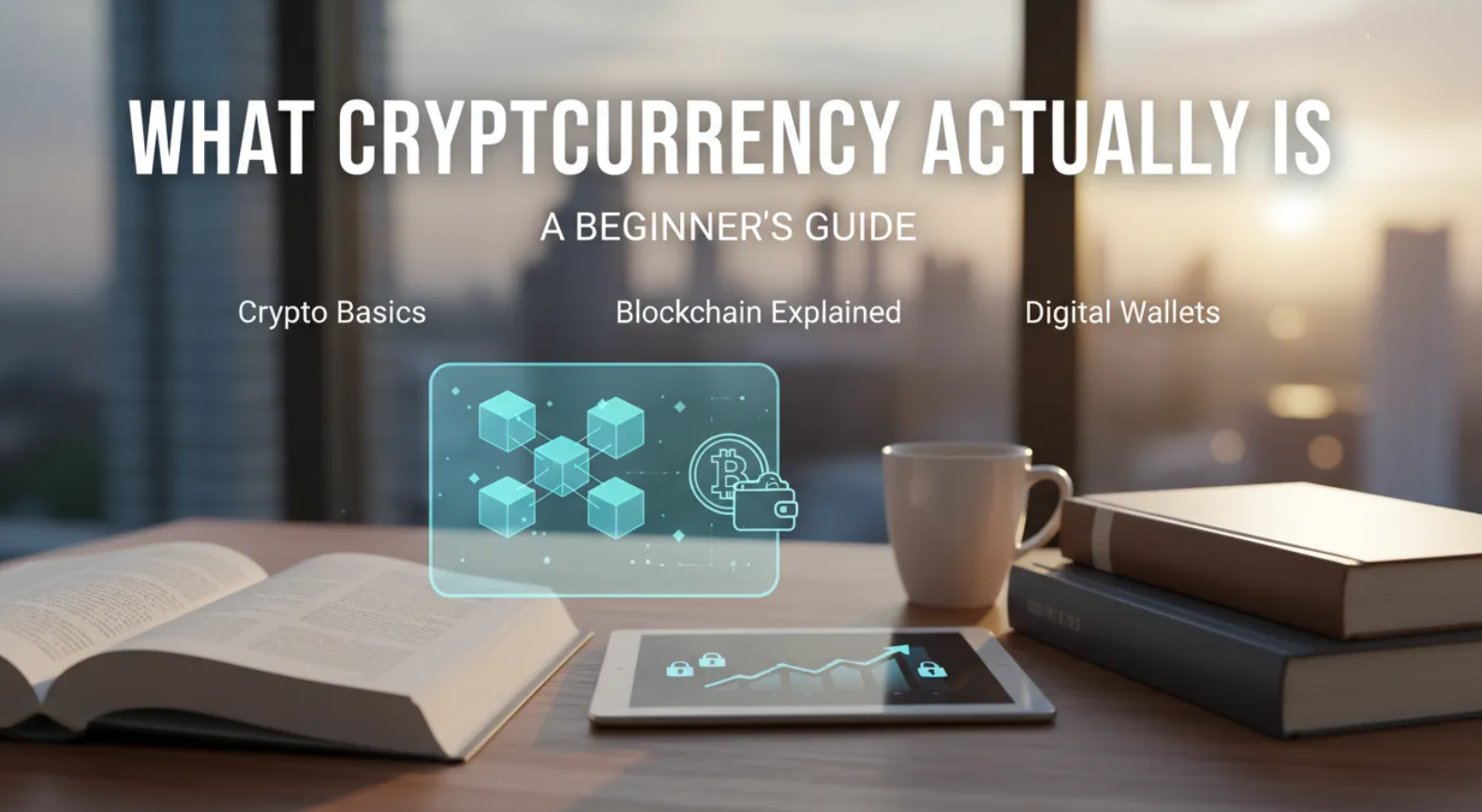
Let’s demystify the digital currency world that fuels our relief efforts and explore its wider financial potential. For newcomers, the landscape of cryptocurrency can seem complex and technical. Yet, these very technologies are what enable the Türkiye Relief DAO to organise rapid, transparent aid for communities in need. In this guide, we’ll break down the essential concepts, from blockchain to wallets, and show how they power not only humanitarian action but also a new frontier in finance and digital entertainment. By understanding the fundamentals, you can engage with confidence, whether you’re contributing to a cause or exploring the broader ecosystem.
What Is Cryptocurrency? A Simple Foundation
At its core, cryptocurrency is a form of digital money secured by cryptography, making it extremely difficult to counterfeit or double-spend. Unlike the pound sterling issued by the Bank of England, most cryptocurrencies operate on decentralised networks based on blockchain technology. This digital asset class is defined by two key principles: decentralisation, meaning no single entity like a government or bank controls it, and transparency, where all transactions are recorded on a public ledger.
Digital Money vs. Traditional Finance
Traditional finance relies on centralised intermediaries. When you send a bank transfer, your bank updates its private ledger and coordinates with the recipient’s bank. Cryptocurrency removes these intermediaries. Transactions occur directly between users (peer-to-peer) across a global network of computers. This can reduce fees, speed up international transfers, and provide financial access to those without traditional bank accounts.
The Role of Decentralisation
Decentralisation is the revolutionary heart of crypto. Instead of a central server or authority, the network is maintained by a distributed community of users (nodes). This design makes the system resilient to censorship or single points of failure. For our disaster relief work, this means donations cannot be arbitrarily frozen or seized by any central party, ensuring aid reaches its intended destination.
How Blockchain Technology Powers Crypto
If cryptocurrency is the digital currency, blockchain is the groundbreaking ledger system that records every transaction. Think of it as a digital, public record book that is duplicated and distributed across the entire network. Once a ‘block’ of data is added to the ‘chain’, it is practically immutable—it cannot be altered retroactively. This creates an unprecedented level of trust and transparency.
Blocks, Chains, and Immutable Records
Every transaction is grouped into a block. Before a block is added to the chain, it must be validated by network participants through a process called consensus. Once confirmed, the block receives a unique cryptographic fingerprint (hash) and is linked to the previous block. Tampering with a single record would require altering every subsequent block across the entire network, a computationally impossible feat.
Smart Contracts and Automated Trust
This is where the Ethereum blockchain, which our DAO utilises, truly shines. A smart contract is a self-executing agreement with the terms written directly into code. For example, a relief fund smart contract could be programmed to release funds automatically when a verified NGO provides proof of delivery of supplies. This automates trust and reduces administrative overhead.
Crypto Wallets: Your Digital Vault Explained
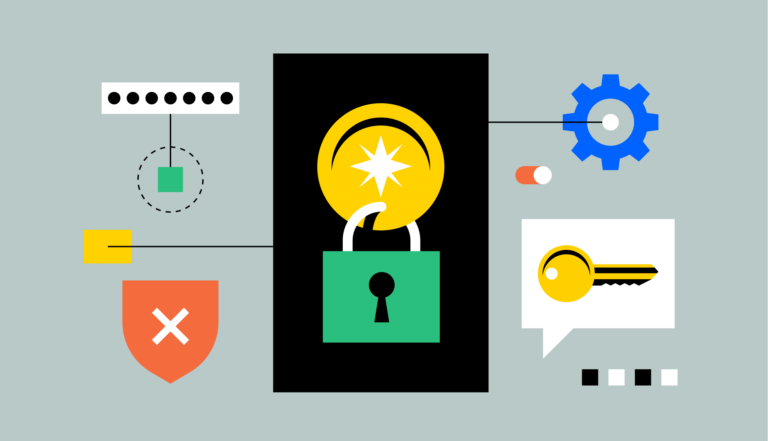
To hold and use cryptocurrency, you need a wallet. A crypto wallet doesn’t store coins like a physical wallet holds cash; instead, it secures the private keys—the cryptographic passwords—that prove ownership of your digital assets on the blockchain. Choosing the right wallet is critical for security.
- Hot Wallets (Connected to Internet): These include browser extensions like MetaMask or mobile apps. They are convenient for frequent transactions and interacting with platforms like our DAO, ideal for smaller amounts.
- Cold Wallets (Offline Storage): These are physical devices, like USB hardware wallets from Ledger or Trezor. They provide maximum security for long-term storage of significant holdings by keeping private keys offline.
Buying and Using Crypto in the UK
For UK residents, entering the crypto market is a straightforward process. The key is using reputable, user-friendly platforms that comply with local regulations.
Getting Started on Centralised Exchanges
The most common entry point is a centralised exchange (CEX). These platforms act as intermediaries, allowing you to buy crypto with pounds sterling via bank transfer or debit card. UK-based exchange Coinbase is known for its user-friendly interface and strong regulatory compliance. Binance operates a separate platform, Binance UK, tailored for British customers. Remember, The Financial Conduct Authority (FCA) regulates crypto activities in the UK, so always check if an exchange is registered.
Spending and Transferring Crypto
Using your crypto is as simple as sending an email. To donate to the Türkiye Relief DAO, you would copy our wallet address, initiate a transfer from your wallet, and confirm the transaction. Beyond charity, a growing number of merchants accept crypto payments.
Crypto for Good: Revolutionising Disaster Relief
Cryptocurrency is uniquely positioned to transform humanitarian aid. Our Türkiye Relief DAO was born from this potential during the devastating 2023 earthquakes. Traditional international donation channels can be slow, burdened with high fees, and opaque. Crypto solves these critical pain points.
- Speed and Borderless Transfers: Crypto donations can be sent anywhere in the world in minutes, 24/7, without waiting for bank holidays or navigating complex international wire systems. This allows global communities to mobilise resources instantly.
- Transparency and Trust: Public blockchains provide an immutable record of every transaction. Anyone can trace the journey of a donation from sender to treasury to on-the-ground partner, building unparalleled trust with donors.
Understanding DAOs: Decentralised Autonomous Organisations
A DAO, or Decentralised Autonomous Organisation, is a member-owned community without centralised leadership. It operates entirely on rules encoded as smart contracts on a blockchain, typically the Ethereum blockchain. Our Türkiye Relief DAO is a prime example: a global collective where decisions about fund allocation are made by token-holding members through transparent proposals and voting.
How DAO Governance Works
Membership and voting power are often represented by a governance token. To decide on an action—like funding a new relief initiative—a proposal is submitted. Members then vote using their tokens, and the outcome is automatically executed by the smart contract if it passes. This creates a flat, democratic organisational structure.
Crypto in Entertainment: Online Casinos and Gaming
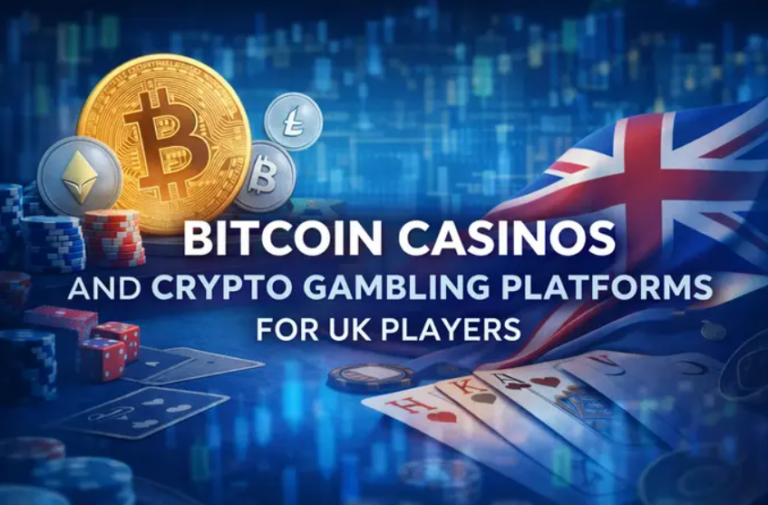
The intersection of crypto and digital entertainment is a natural evolution. Crypto casinos have risen in popularity, particularly among UK players seeking alternatives to traditional online gambling platforms.
The Rise of Crypto Casinos
Crypto casinos operate primarily with digital currencies, bypassing traditional banking systems. This allows for near-instant deposits and withdrawals, a major advantage over platforms that can take days to process fiat withdrawals.
Provably Fair Gaming and Responsibility
A key innovation is ‘provably fair’ technology. Using cryptographic algorithms, these systems allow players to verify that each game outcome was random and not manipulated. However, the ease of transacting with crypto requires heightened responsibility. We strongly advise UK users to only engage with platforms that promote responsible gambling tools and hold a valid licence from the UK Gambling Commission.
Risks and Responsible Crypto Engagement
Engaging with cryptocurrency requires a clear-eyed understanding of its risks. As an informed community, we advocate for responsible participation.
- Market Volatility: Crypto prices can swing dramatically in short periods, which can impact the value of donations or investments.
- Security Imperatives: Phishing scams, exchange hacks, and user error can lead to irreversible loss. Never share your private keys, use strong passwords, enable two-factor authentication, and favour cold storage for significant holdings.
- Gambling Caution: Treat crypto gambling with the same caution as traditional gambling. Never gamble with funds you cannot afford to lose.
The Future of Digital Finance and Our Mission
The fundamentals explained here are the building blocks of a financial and social paradigm shift. We see a future where crypto finance and community-led aid move from the fringe to the mainstream.
Our mission at Türkiye Relief DAO is a living example of this future. We believe in empowering communities to take direct action through transparent, efficient, and decentralised tools. The same technology that enables a new form of digital entertainment can also coordinate life-saving aid, demonstrating the versatile power of blockchain to reshape how we interact, transact, and support one another on a global scale.
Frequently Asked Questions
Is cryptocurrency legal in the UK?
Yes, cryptocurrency is legal in the UK. The Financial Conduct Authority (FCA) regulates cryptoasset activities to prevent money laundering and protect consumers. However, crypto investments are not covered by the Financial Services Compensation Scheme (FSCS), so it’s important to use FCA-registered firms and understand the risks.
How can I verify that my donation to the Türkiye Relief DAO is used properly?
All our treasury transactions are recorded on the public Ethereum blockchain. You can use a block explorer (like Etherscan) to track our wallet addresses and see exactly where funds are moved. We also publish regular transparency reports that link these on-chain transactions to real-world actions and partner reports.
What’s the difference between a crypto casino and a regular online casino?
The core difference is the currency and underlying technology. Crypto casinos primarily use digital currencies like Bitcoin or Ethereum, enabling faster transactions and often incorporating ‘provably fair’ systems for game verification. Traditional online casinos use fiat currency (like GBP) and rely on standard banking.
Are my crypto assets safe if I leave them on an exchange like Coinbase?
While reputable exchanges like Coinbase invest heavily in security, leaving crypto on any exchange is considered a ‘hot wallet’ storage method and carries an inherent risk. For significant or long-term holdings, the safest practice is to transfer your assets to a private cold wallet (hardware wallet) where you control the private keys.
What is gas, and why do I have to pay it on Ethereum?
Gas is the fee required to successfully conduct a transaction or execute a smart contract on the Ethereum network. It’s paid in Ethereum’s native currency, ETH, and compensates network validators for the computational energy required. Gas fees fluctuate based on network congestion; busier times lead to higher fees.